
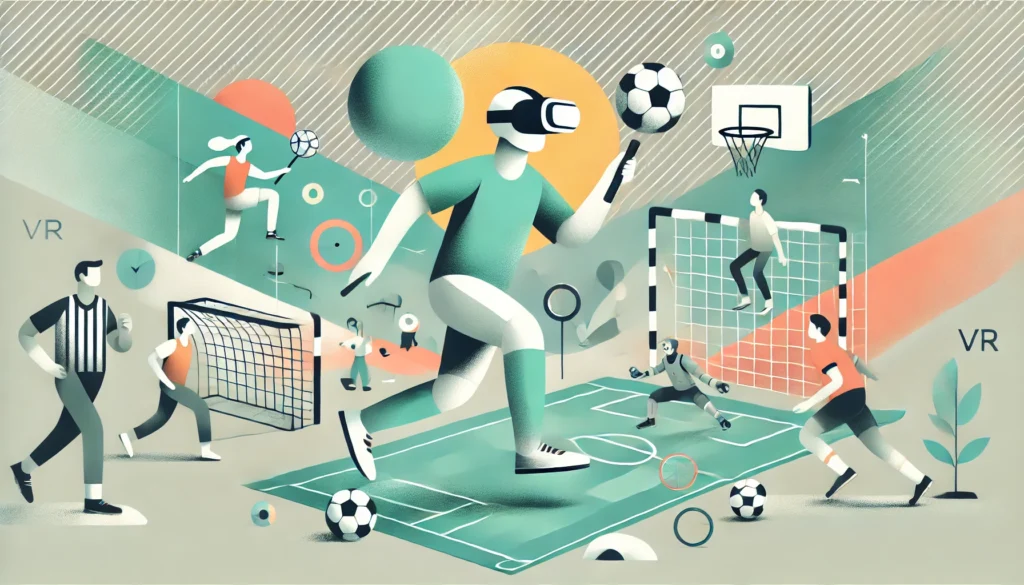
Sport and new tech
Sports and New Technologies: How Virtual Reality (VR) and Extended Reality (XR) Are Transforming the Sports Experience
Technology is revolutionizing all aspects of our lives, and sports are no exception. Virtual reality (VR) and extended reality (XR) are transforming the way fans experience sporting events and how athletes train and improve their performance. These technologies are creating new forms of interaction, providing immersive experiences, and offering unique personalization for both fans and athletes. In this article, we explore how VR and XR are changing the sports landscape and taking the experience to the next level with More Than Verso.
What are Virtual Reality (VR) and Extended Reality (XR)?
Virtual Reality (VR): VR uses devices such as headsets or goggles to create a completely virtual environment where the user can interact and experience situations in 360 degrees. In sports, this can mean simulating matches, training sessions, or even the feeling of being in a stadium, without the need to be physically present.
Extended Reality (XR): XR is an umbrella term that encompasses both augmented reality (AR) and mixed reality (MR). AR overlays virtual elements onto the real world, while MR combines both worlds, allowing for more complex interactions between the physical and digital environments. In sports, this translates to a greater integration of real-time data, interactive experiences, and live statistics visualization.
How VR and XR Are Revolutionizing Sports and New Technologies
Athlete Training with Virtual Reality
One of the most innovative uses of VR in sports is its application in athlete training. Athletes can now simulate matches, training sessions, or high-stress situations without needing to be on the playing field. For example, soccer players can practice their skills virtually, simulating the presence of an opposing team, or even train in extreme conditions, such as playing in the rain or at high-altitude stadiums. This not only optimizes performance but also reduces the risk of injury, as it allows players to practice repeatedly without the need for physical contact.
VR can also help in improving mental skills. Athletes can mentally visualize plays or strategies while immersed in a virtual environment, helping to improve decision-making and concentration.
Viewing Sporting Events in VR
Thanks to VR, fans no longer have to settle for watching a game from their couch. They can now be in the middle of the action, watching sporting events from any vantage point within the stadium, as if they were actually there. Platforms like NextVR allow users to watch sporting events in 360 degrees, from the closest seats to the furthest away, making the experience much more interactive and exciting.
Real-Time Statistics and Analysis with XR
XR is taking sports data analysis to a new level. During live events, AR and MR technologies allow statistics and data to be overlaid in real-time onto the playing field, helping both fans and commentators better understand what is happening in the game. For example, viewers can see a player’s statistics while they are in action—such as their speed, distance covered, or the number of completed passes—all projected directly onto the pitch.
Furthermore, coaches and analysts can use XR tools to study player performance during training. By overlaying 3D graphics and models of athletes’ movements, they can gain a much more precise view of their techniques and areas for improvement.
Injury Rehabilitation and Recovery with VR
Physical recovery is a crucial aspect in the life of any athlete, and VR is playing a key role in this process. Virtual rehabilitation programs allow athletes to perform recovery exercises interactively, improving motivation and accelerating the rehabilitation process. These programs simulate movement scenarios and help athletes regain strength, flexibility, and coordination without having to undergo a full physical workout.
In addition, VR allows physical therapists to monitor athletes’ progress more effectively, using movement data and real-time visual analysis to adjust treatments.
Fan Engagement and Immersive Experiences
The interaction between fans and sports is becoming a much more personalized and immersive experience thanks to VR and XR. Stadiums now offer entertainment experiences beyond the conventional, such as virtual tours of locker rooms or the ability to walk the halls of a stadium before a big game. Fans can also experience the “behind the scenes” of their favorite teams, with exclusive VR content that immerses them in the lives of the players and the internal dynamics of their sports clubs.
XR platforms allow fans to create their own sports environments, such as custom stadiums or even fictional matches, where they can interact with other users in real time, creating communities around sports.
Benefits of VR and XR in Sports
Performance Improvement: VR allows for the simulation of extreme conditions, the training of technical and tactical skills, and the improvement of decision-making, which translates into better physical and mental performance for athletes.
Accessibility: Fans no longer need to attend a stadium to experience a live event. With VR, they can enjoy an immersive experience regardless of their location.
Efficient Rehabilitation: VR technologies allow athletes to recover from injuries faster and more effectively, using interactive simulations and exercise programs.
Interactivity and Engagement: XR enables the creation of interactive experiences for both fans and athletes, fostering a stronger connection with the sport and the teams.
Immersive Entertainment: Sporting events are becoming 360-degree interactive experiences, offering viewers the opportunity to live the action in a much more enveloping and engaging way.
Conclusion: A New Horizon for Sports and New Technologies
The integration of virtual reality (VR) and extended reality (XR) in the sports world is taking entertainment, training, and participation to a completely new level. These technologies are not only improving athlete performance and the fan experience, but they are also creating an ecosystem where sports and technology merge in innovative ways. Whether you are a sports fan or a professional, VR and XR are already transforming the way you enjoy and practice sports. The future is here, and it promises to take sports to new heights.